Blog
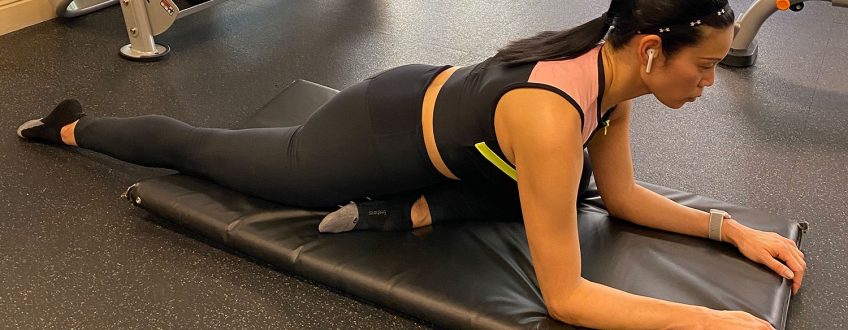
From Sedentary to Active: Using Exercise for Weight Loss
A sedentary lifestyle is one characterized by minimal physical activity, often resulting from desk jobs, prolonged screen time, or other low-movement habits. For those looking to lose weight, breaking out of sedentary patterns is crucial. Here’s a guide for taking those first steps to use exercise for weight loss to for a happier and healthier you.
Understanding the Impact of Using Exercise for Weight Loss
- Health Implications: Increases the risk of obesity, cardiovascular diseases, diabetes, and even some cancers.
- Mental Health: Contributes to anxiety, depression, and mood swings due to decreased endorphin levels.
Strategies to Transition from Sedentary to Active
1. Start Slowly
Starting slowly is a vital strategy for transitioning from a sedentary lifestyle to an active one during a weight loss journey. It helps to avoid injury and discouragement, gradually building up physical stamina and confidence. Initiating activity with short walks or light stretching can ignite the body’s adaptation to movement. This methodical escalation allows the individual to appreciate incremental progress, reinforcing the habit without overwhelming the body or mind. It fosters a sustainable pace, ensuring exercise becomes a regular, enjoyable part of the routine. By beginning with manageable steps, the leap to a more active lifestyle feels less daunting and more achievable.
- Avoid Burnout: Going from zero to a hundred can lead to injuries or quick burnout.
- Incremental Changes: Begin with short, low-intensity activities and gradually increase them over time.
2. Incorporate Movement into Daily Routines
Incorporating movement into daily routines is a seamless strategy for transitioning from a sedentary lifestyle to an active one, which is essential for embarking on a weight loss journey. Simple adjustments, such as taking the stairs instead of the elevator, walking during phone calls, or engaging in stretch breaks while watching TV, can significantly increase daily activity levels. These small shifts in behavior can lead to substantial changes over time, improving metabolism and cardiovascular health without demanding extra time for workouts. It’s an approach that blends activity with existing habits, making the transition natural and sustainable, and paving the way for more structured exercise as fitness levels improve.
- Desk Exercises: Leg lifts, seated marches, or even simple stretches can be done.
- Take Breaks: Stand or walk around for a few minutes every hour.
- Opt for Stairs: Instead of elevators or escalators, choose stairs whenever feasible.
3. Set Realistic Goals
Setting realistic goals is crucial when transitioning from a sedentary lifestyle to an active one on a weight loss journey. Realistic goals provide a clear and achievable roadmap, preventing the discouragement that often accompanies overly ambitious targets. They help maintain motivation by ensuring progress can be regularly observed and celebrated, no matter how small. For example, aiming to walk 10,000 steps a day or to include a 15-minute workout in your routine at least three times a week can be a good start. This method encourages consistency and patience, allowing the body to adapt gradually, thereby fostering a sustainable change in activity level and lifestyle.
- SMART Goals: Specific, Measurable, Achievable, Relevant, and Time-bound goals set a clear path.
- Track Progress: Journaling, fitness apps, or wearables can help monitor your journey.
4. Find Activities You Enjoy
Finding activities you enjoy is a pivotal strategy in transitioning from a sedentary lifestyle to an active one during a weight loss journey. Engaging in exercises that bring joy can significantly increase adherence to a fitness routine. When exercise feels less like a chore and more like a rewarding hobby, you’re far more likely to stick with it long-term. Whether it’s dancing, hiking, cycling, or swimming, pleasure-driven workouts enhance your mood, making the commitment to regular physical activity less daunting. This approach not only improves physical health but also ensures that the journey towards weight loss is enjoyable and therefore sustainable.
- Personal Preference: You’re more likely to stick with activities you find fun or fulfilling.
- Experiment: Try various activities like dancing, swimming, or hiking until you discover what you love.
5. Schedule Physical Activity
Scheduling physical activity is an effective strategy to transition from a sedentary lifestyle to an active one, which is crucial for starting a weight loss journey. By carving out specific times for exercise in your daily routine, you treat it with the same importance as other commitments. This approach helps in building a reliable workout routine, ensuring consistency and accountability. When physical activity is a non-negotiable part of your calendar, just like any meeting or appointment, it becomes a habit rather than an afterthought. Over time, this habit formation is key to maintaining an active lifestyle that supports weight loss and overall health.
- Calendar Blocks: Dedicate specific times in your day/week for exercise, making it non-negotiable.
- Consistency Over Intensity: Regular, moderate exercise is better than intense, sporadic workouts.
6. Join a Group or Class
Joining a group or class can be a transformative strategy for those transitioning from a sedentary lifestyle to active living, facilitating weight loss journeys. Group settings provide structured workouts, reducing the intimidation of starting alone. The camaraderie in classes or groups fosters motivation and accountability, with shared goals amplifying individual commitment. For beginners, the guidance from instructors ensures proper technique, minimizing injury risk. Moreover, the social aspect of group fitness can make the activity more enjoyable, turning exercise from a chore into a pleasurable, anticipated event. Such an environment not only supports physical health but also bolsters mental well-being, sustaining long-term activity engagement.
- Accountability: Group settings can provide motivation and commitment.
- Social Interaction**: Engaging with others can make the experience more enjoyable.
7. Invest in Home Equipment
Investing in home equipment is a wise strategy for transitioning from a sedentary lifestyle to an active one on a weight loss journey. With fitness gear in the comfort of your own space, common hurdles like gym intimidation or tight schedules are easily overcome, allowing for seamless integration of exercise into daily life. The upfront cost serves as an incentive to regularly use the equipment, making the investment worthwhile. Moreover, having the ability to work out at home offers the flexibility to stay active even on the busiest days, fostering a consistent exercise habit that is key to lasting weight loss and better health.
- Basics: Resistance bands, a yoga mat, or dumbbells can be versatile tools.
- Guided Workouts: Many online platforms offer free or subscription-based classes for all fitness levels.
8. Seek Professional Guidance
Seeking professional guidance is an effective strategy for transitioning from a sedentary lifestyle to an active regimen in a weight loss journey. Professionals, such as personal trainers or weight loss coaches, offer tailored advice that aligns with individual health status and goals, ensuring exercises are both safe and effective. They help set realistic expectations, provide motivation, and adjust routines to maximize results and prevent injury. With their expertise, beginners can learn proper techniques, build confidence, and establish a sustainable workout routine that can evolve with their increasing fitness levels, making professional guidance a pivotal element for long-term success in weight management.
- Personal Trainer: Can offer tailored workouts and ensure you’re exercising correctly.
- Weight Loss Coach: Especially important to take advantage of how what you eat affects your energy.
9. Incorporate Active Transportation
Incorporating active transportation into daily life is a seamless strategy to shift from a sedentary lifestyle to a more active one, aiding in weight loss efforts. Opting for walking, cycling, or even skateboarding to commute can significantly increase daily physical activity levels without demanding extra time for workouts. This approach not only contributes to burning calories and improving cardiovascular health but also ingrains exercise as a practical part of your routine. It’s an accessible start for those new to physical activity, gradually building endurance and strength which is essential for a sustained and successful weight loss journey.
- Walking or Biking: Opt for these over driving for short distances.
- Public Transport: If you use it, alight a stop or two early and walk the remaining distance.
10. Set Non-Weight-Related Goals
Setting non-weight-related goals can be a highly motivational strategy when transitioning from a sedentary lifestyle to an active one on a weight loss journey. Focusing on achievements such as improving stamina, mastering a new sport, or increasing the number of push-ups you can do shifts the emphasis from the scale to personal growth and fitness capabilities. This approach not only fosters a positive relationship with exercise but also reduces the pressure associated with weight loss, leading to a more enjoyable and sustainable path to health. Celebrating these fitness milestones encourages consistent activity, making the journey an empowering experience rather than a daunting challenge.
- Performance Metrics: Aim to walk a certain distance, do a number of push-ups, or hold a plank for a specific time.
- Non-Physical Rewards: Treat yourself to something enjoyable when you reach milestones.
Benefits of Transitioning to an Active Lifestyle
- Physical Health: Reduces the risk of chronic diseases, improves muscle tone, and enhances cardiovascular health.
- Mental Well-being: Physical activity releases endorphins, promoting feelings of happiness and reducing stress.
- Weight Management: Combined with a balanced diet, consistent activity is a pillar of sustainable weight loss.
- Enhanced Energy: Regular exercise boosts energy levels, helping you feel more awake and alert throughout the day.
Transitioning from a sedentary to an active lifestyle can seem daunting, but remember, every bit of movement counts. It’s not about becoming an athlete overnight, but about integrating exercise for weight loss and including activity into daily life in ways that are sustainable and enjoyable. With patience, consistency, and the right strategies, anyone can overcome a sedentary lifestyle and embark on a fulfilling weight loss journey.
This is part 7 of the 10 Pillars to Weight Loss Series.
The next Pillar in the series is: Sleep Well to Shed Pounds: The Integral Role of Sleep for Weight Loss
Comments are closed.